Tahoe-area ski resorts announce projected opening days for “Super El Niño” snow season


By Carlos E. Castañeda
Lake Tahoe area ski resorts have announced their plans to take advantage of a season fueled by an anticipated Super El Niño snowfall, announcing opening dates in late November and early December.
Mt. Rose – Ski Tahoe with its high base elevation has the earliest projected opening date, November 20, as do Heavenly Ski Resort and Northstar California Resort. Last week, Palisades Tahoe announced it would open on November 20, a day before Thanksgiving, while Boreal Mountain Resort said it would open the day after Thanksgiving.
In a press release, Heavenly and Northstar parent company Vail Resorts referenced what forecasters are calling a 90% chance of a very strong El Niño, colloquially known as a Super El Niño, during the 2026-2027 fall and winter in the Northern Hemisphere.
“It may only be August, but we’re laser focused on preparing our resorts to deliver the best and most differentiated guest experience in skiing and riding,” said Bill Rock, Vail Resorts Mountain Division president, in a prepared statement. “While no one can predict exactly what Mother Nature will deliver, the possibility of blockbuster snowfall has us feeling optimistic about the winter ahead. And while we’d love to see Super El Niño live up to the hype, we’re also taking an aggressive approach to snowmaking to ensure this ski season is one to remember.”
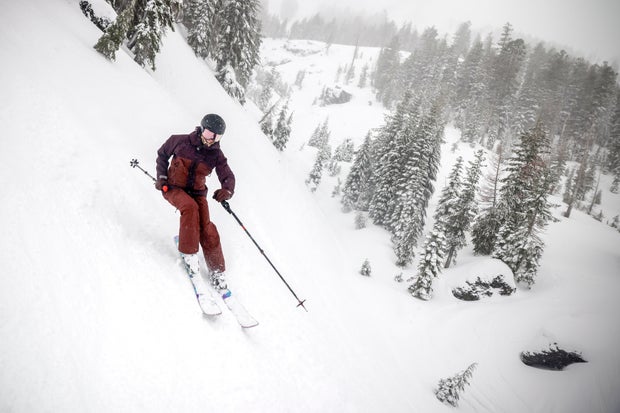
Vail Resorts’ other California location, Kirkwood Mountain Resort, is projected to open on December 4. Other Tahoe-area resorts listed their projected opening dates later in December.
The National Weather Service says between October and December, there is a 69% chance of a historic event that would exceed previous El Niño events dating back to 1950.
The term “El Niño,” coined by 19th-century Peruvian fishermen who observed warm ocean currents occurring around Christmas time, refers to the Christ child, which also came in winter. Climate scientists eventually adopted the term to describe the broader oceanic and atmospheric climate pattern, when warmer Pacific water drives thunderstorm activity, extending a jet stream that directs storm tracks and atmospheric rivers across the U.S. Southwest.


