Guide company’s report on California avalanche that killed 9 near Lake Tahoe assigns no blame


By Carlos E. Castañeda
A preliminary report on the February avalanche in California near Lake Tahoe that killed nine people was released by the backcountry guide company involved assigned no blame for the tragedy, while highlighting the unpredictable hazards and complex conditions the group encountered.
On February 17, 11 skiers and their four guides from Blackbird Mountain Guides (BMG) were returning from a three-day backcountry ski trip in the Castle Peak area of Nevada County when they were caught in an avalanche. Six skiers and three guides died in the state’s deadliest avalanche.
On Sunday, BMG released the results of a report by a 35-year avalanche and backcountry ski professional Don Sharaf, which detailed the weather conditions, the locations of the group, and their strategies and attempts to reach the Castle Peak trailhead after staying two nights at Frog Lake Backcountry Huts.
The group had continued their trip even after an avalanche watch was issued two days before the avalanche. An avalanche warning had also been issued on the morning of the incident. The report noted that the guides involved were highly trained, experienced, and followed established avalanche risk-management practices during the trip.
“Trained mountain guides commonly operate during periods of High avalanche danger and active storms by applying established risk-management practices,” the report stated. “Guiding under elevated avalanche hazard is a recognized and accepted professional practice when these methods are applied.”
The report said the group tried to avoid known avalanche zones and had followed a route specifically designed for high avalanche danger. The skiers tried to cross to into safer terrain and were unexpectedly blocked by open water and steep creek sidewalls because of unusual seasonal conditions, the report said.
“The creek is normally bridged by consolidated snow and crossable in winter. Because of the unusual conditions of the season, it appears to have remained open and uncrossable below Red Dot Pass, preventing the group from reaching the northwest side of the creek,” the report said. Based on the group’s tracks from the preceding days, they would not have known about this impassable barrier before their exit on Tuesday morning.”
The report said the guides’ planning included a decision to leave early and avoid extra skiing, and efforts to maintain wide margins in avalanche terrain. The findings did not mention whether staying at the Frog Lake huts, which are well-appointed cabins near Donner Summit, until after the avalanche danger had passed was considered.
The Nevada County Sheriff’s Office and the state Division of Occupational Safety and Health (Cal/OSHA) both launched investigation into the avalanche to determine any potential criminal negligence and workplace safety violations. On Thursday, the Sheriff’s Office forwarded its findings to the district attorney’s office for review and the Cal/OSHA findings were still pending as of Monday.
The nine victims of the avalanche were from the Tahoe-Truckee area, the San Francisco Bay Area, and Boise, Idaho. Last week, the Nevada County Coroner’s Office confirmed the victims all died from asphyxiation from being buried in the snow.
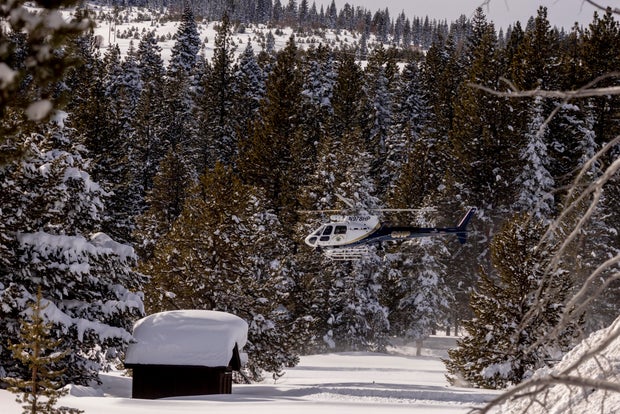
It took four days to recover all nine victims from the avalanche site because of whiteout conditions and massive snow accumulation. Crews, which included members of the California National Guard, had to perform avalanche mitigation work to keep the recovery teams safe from further slides.
The incident came one month after another avalanche in the same area killed a snowmobiler.


